
Physiology or Medicine
生理學或醫學
8 lectures


About this prize
The prize in Physiology or Medicine recognises a major discovery in life and disease. Its list records how the body came to be understood: bacteria and antibiotics, the double helix, the immune system, and the way the brain maps space.
First awarded in 1901 to Emil von Behring, for serum therapy against diphtheria. The pairing “physiology or medicine” is Nobel’s own wording, which is why laboratory research and clinical treatment both belong here.
- First awarded
- 1901
- Prizes awarded
- 116
- Laureates
- 232
- Women laureates
- 14
- Years not awarded
- 9
Figures from the official Nobel Prize API, as of 2026-08-23.
Lectures in this gallery
-
 Has a guide video 4 Nobel Prize in Physiology or Medicine, 2013 Prof. Thomas C. Südhof Nerve cells pass a signal with a millisecond to spare.
-
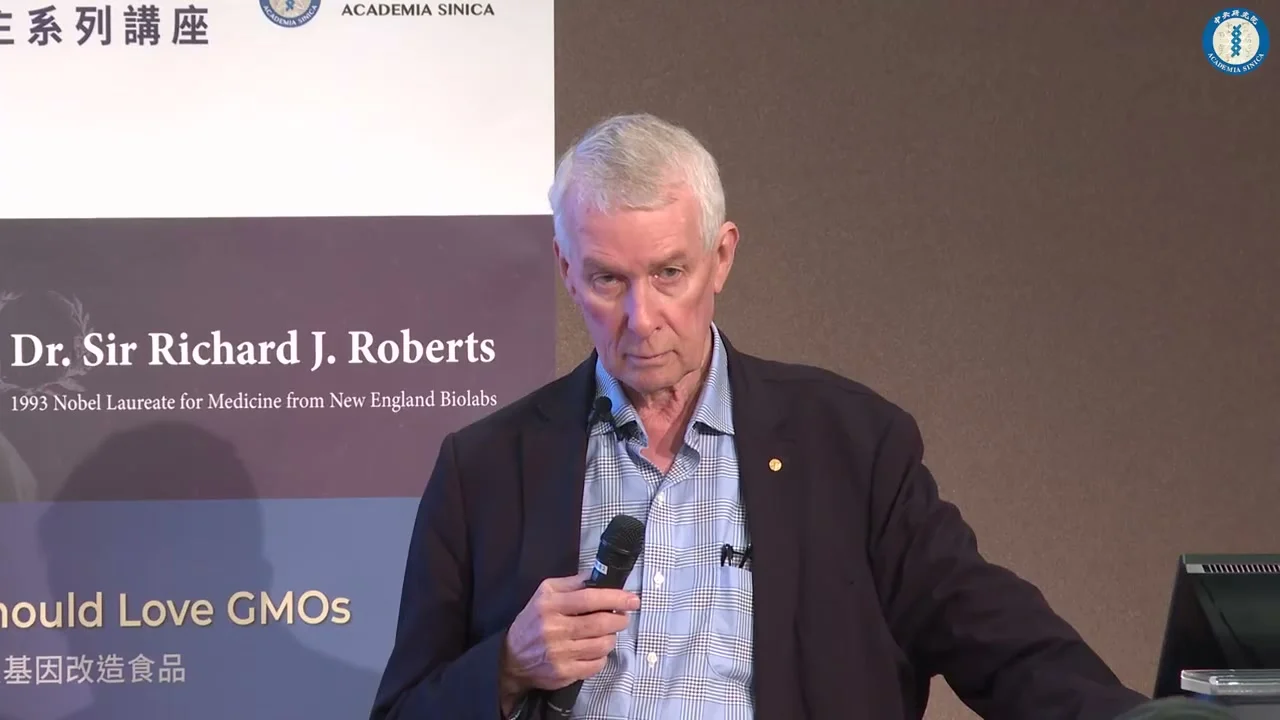 Has a guide video 4 Nobel Prize in Physiology or Medicine, 1993 Dr. Sir Richard J. Roberts A gene is not one continuous piece of text.
-
 Has a guide video 2 Nobel Prize in Physiology or Medicine, 2014 Prof. May-Britt Moser A set of cells lays a coordinate grid over space.
-
 Has a guide video 4 Nobel Prize in Physiology or Medicine, 2001 Dr. Sir Paul Nurse The switch that times cell division is nearly the same in yeast and in us.
-
 2 Nobel Prize in Physiology or Medicine, 2014 Prof. Edvard I. Moser As you move, the brain keeps track of where you are.
-
 2 Nobel Prize in Physiology or Medicine, 2020 Prof. Charles M. Rice A virus once beyond treatment, now cured in weeks.
-
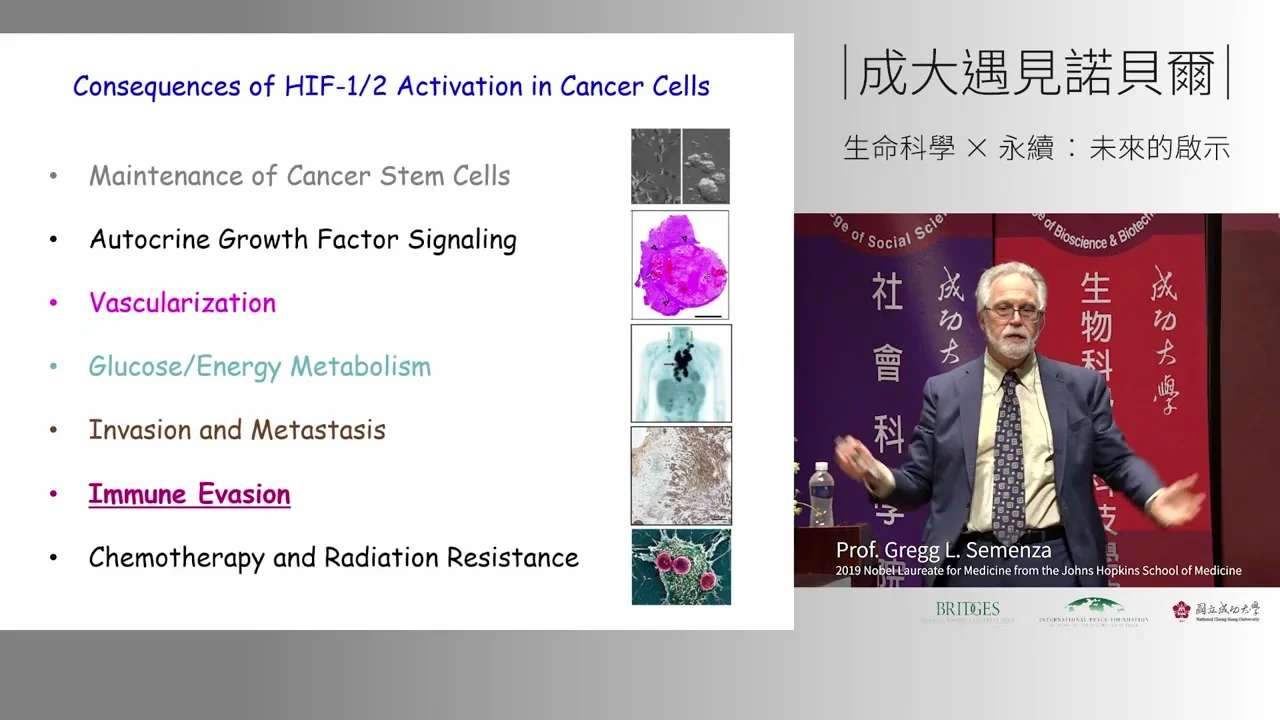 Has a guide video 2 Nobel Prize in Physiology or Medicine, 2019 Prof. Gregg L. Semenza The body counts its oxygen, and knows what to do about it.