
Physics
物理
12 lectures


About this prize
The Nobel Prize in Physics recognises the discovery or invention of greatest benefit to humankind. The list opens with X-rays and radioactivity, passes through quantum mechanics, and reaches the accelerating universe and gravitational waves. A century of physics is more or less contained in it.
First awarded in 1901 to Wilhelm Röntgen, for the discovery of X-rays. It has since been withheld 6 times, mostly during the two world wars.
- First awarded
- 1901
- Prizes awarded
- 119
- Laureates
- 230
- Women laureates
- 5
- Years not awarded
- 6
Figures from the official Nobel Prize API, as of 2026-08-23.
Lectures in this gallery
-
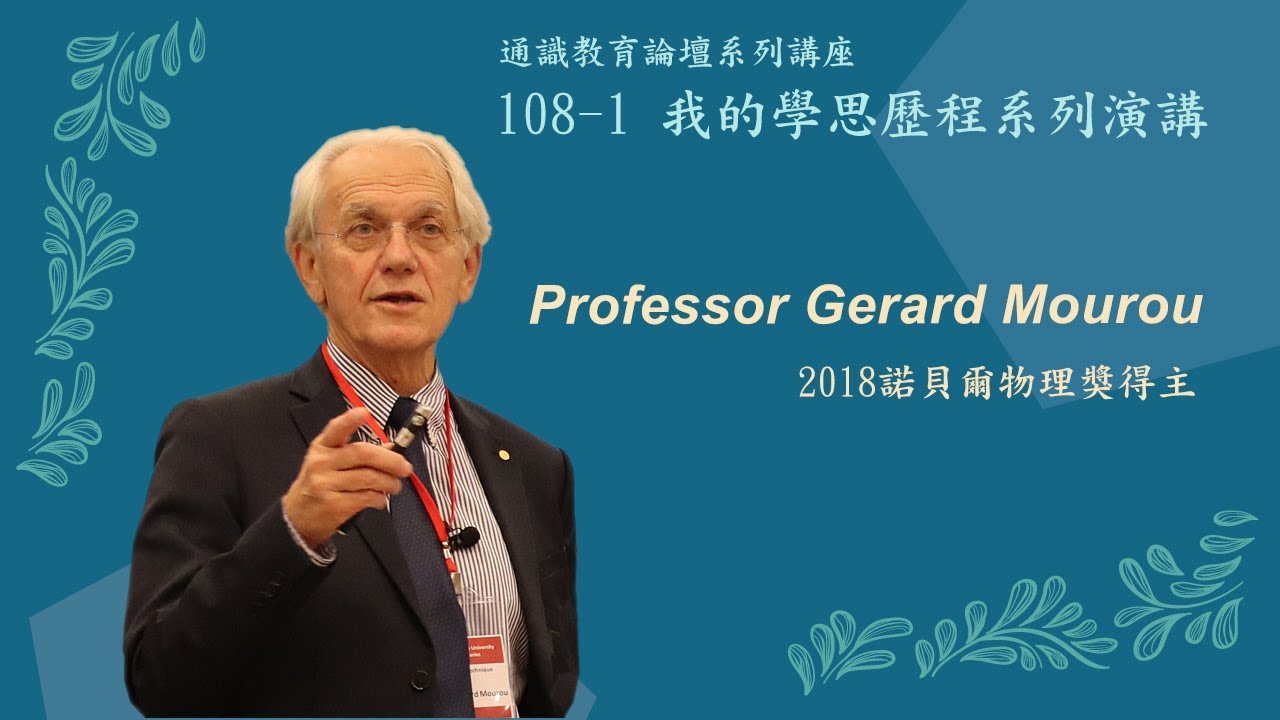 1 Nobel Prize in Physics, 2018 Prof. Gérard Mourou A laser pulse had to be stretched before it could be amplified.
-
 1 Nobel Prize in Physics, 2022 Prof. Alain Aspect The measurement was chosen while the photons were already in flight.
-
 1 Nobel Prize in Physics, 2022 Prof. Alain Aspect The transistor and the laser were only the first quantum revolution.
-
 Has a guide video 2 Nobel Prize in Physics, 2010 Prof. Sir Andre Geim A single atom thick, lifted with pencil lead and sticky tape.
-
 Has a guide video 2 Nobel Prize in Physics, 1999 Prof. Gerardus 't Hooft A career on the smallest particles, and a talk about the distance between nations.
-
 Has a guide video 3 Nobel Prize in Physics, 2019 Prof. Didier Queloz The first planet found orbiting another Sun.
-
 Has a guide video 4 Nobel Prize in Physics, 2018 Prof. Donna Strickland During the pandemic, science revised itself in public.
-
 2 Nobel Prize in Physics, 2012 Prof. Serge Haroche Seeing a single photon without destroying it.
-
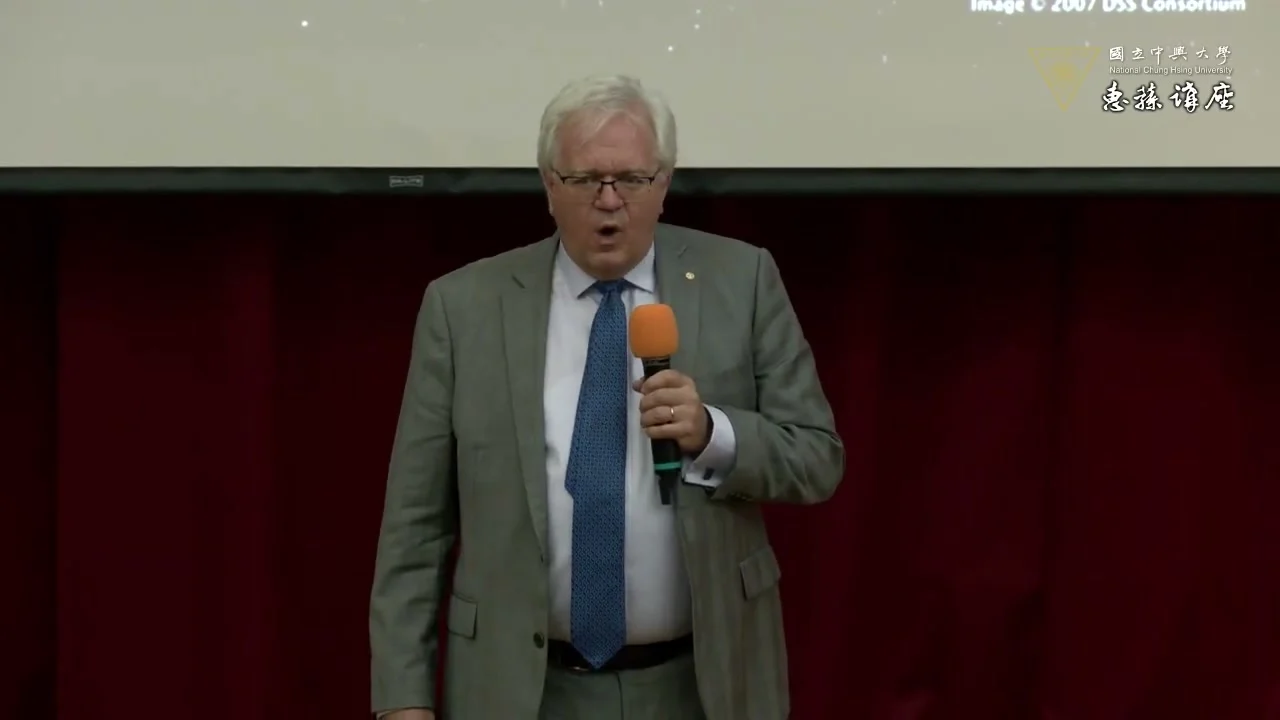 1 Nobel Prize in Physics, 2011 Prof. Brian P. Schmidt The universe is not only expanding. It is speeding up.
-
 2 Nobel Prize in Physics, 2019 Prof. Michel Mayor The man who found other worlds says we are not going to them.
-
 Has a guide video 2 Nobel Prize in Physics, 2015 Prof. Arthur B. McDonald Two kilometres underground, in order to see the Sun.
-
 2 Nobel Prize in Physics, 2015 Prof. Takaaki Kajita Trillions of neutrinos pass through a body every second.